
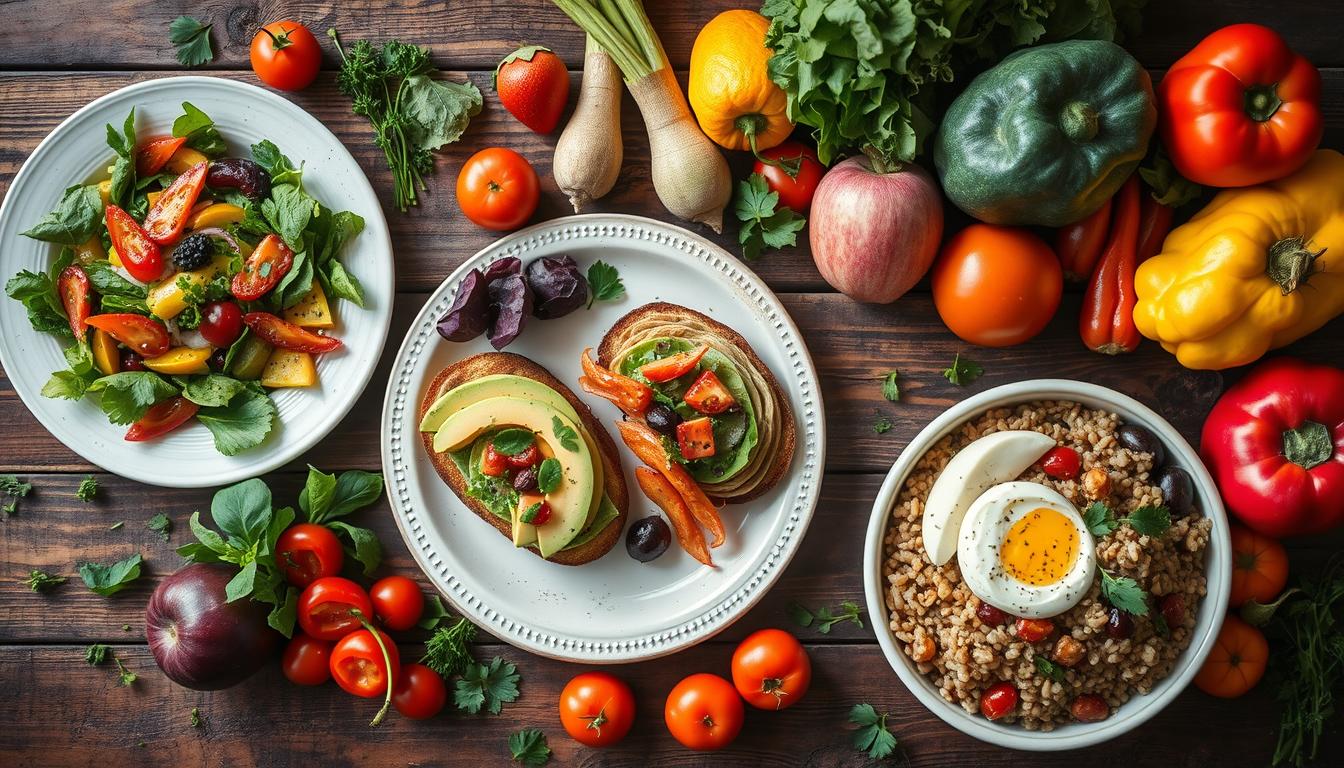
Plant-based diets are getting more popular. Adding more plant-based meals to our lives has many benefits. This article will look at the advantages of a plant-based lifestyle.
Plant-based diets can improve your health and help the environment. They also align with ethical and economic values. We’ll explore the science, nutrition, and broader impact of plant-based eating.
Whether you’re already into plant-based eating or just curious, this article has you covered. It will give you a deep understanding of the benefits of plant-based meals. Let’s discover how adding more plant-based meals can change your life and the planet’s future.
Understanding Plant-Based Diets: What Are They?
Plant-based diets focus on whole, unprocessed foods from plants. This includes veggies, fruits, whole grains, legumes, nuts, and seeds. They often cut down or remove animal products like meat, dairy, and eggs.
There are different types of plant-based diets. The vegan diet is strict, avoiding all animal foods. Vegetarians might eat dairy and eggs, while flexitarians include animal foods sometimes.
“Plant-based diets are not just about abstaining from meat, but about embracing the abundance of whole, nutrient-dense plant foods that can nourish our bodies and the planet.” – Dr. Rosemary Stanton, Nutritionist
Plant-based diets focus on whole foods like whole grains, plant-based protein, and many fruits and vegetables. This change can greatly improve health and help the environment.

Plant-based eating is flexible, fitting many people’s tastes and needs. It’s a great way to eat, whether you’re into vegan, vegetarian, or flexitarian diets. It offers a rich and enjoyable food experience.
Health Benefits of Plant-Based Meals
Eating plant-based can greatly improve your health. Studies show it can lower heart disease risk, a major killer worldwide. Eating veggies, fruits, whole grains, and legumes can help keep your heart healthy by reducing cholesterol and blood pressure.
Plant-based meals also help with weight management. They are full of nutrients but low in calories, making you feel full longer. This can help you lose weight. Plus, they can lower your risk of type 2 diabetes, a big problem for many.
“Embracing a plant-based lifestyle can be a powerful strategy for longevity and disease prevention. The health benefits are truly remarkable.”
Plant-based diets might also fight cancer. The antioxidants in these foods can slow cancer cell growth. Switching to plant-based could help you live longer and healthier.

Adding more plant-based meals to your diet can change your health for the better. It can lower heart disease and diabetes risks and might even prevent some cancers. By choosing whole, nutritious foods, you’re on your way to better heart health, weight management, diabetes prevention, and longevity.
Nutritional Aspects of a Plant-Based Diet
Exploring plant-based diets might raise some nutritional questions. But, a well-planned plant-based diet can give your body all it needs. Let’s look at the key nutritional points.
First, plant-based protein sources like beans, lentils, soy, and nuts are easy to find. They help keep your muscles strong, support your immune system, and boost your health.
Some worry about vitamin B12 and iron. But, you can get these nutrients from certain foods or supplements if needed. Fortified cereals and nutritional yeast are great for vitamin B12. Leafy greens, quinoa, and dried fruits are full of iron.
“A well-planned plant-based diet can provide all the essential nutrients your body needs.”
For omega-3 fatty acids, try walnuts, flaxseeds, and chia seeds. These healthy fats are good for your brain, heart, and reducing inflammation.
By eating a variety of plant-based foods, you can get all the essential nutrients your body needs. With some knowledge and planning, you can enjoy a healthy plant-based lifestyle.

Environmental Impact of Plant-Based Diets
The world faces big environmental challenges, and our food choices play a big role. Eating plant-based can help a lot. It cuts down on animal products, which means less carbon and more water saved.
Plant-based foods need less land and water than animal products. This means less harm to the environment. One study found that eating plant-based can cut your carbon footprint by up to 73%.
“Embracing a plant-based lifestyle is one of the most effective ways to minimize our environmental impact and support the long-term sustainability of our planet.”
Plant-based diets also help save water. Animal farming uses a lot of water, up to 92% of the world’s water. Switching to plant-based can greatly reduce water use and help keep our water sources safe.
Plant-based diets are key to a sustainable future. By choosing what we eat, we can get healthier and help our planet. It’s a win-win for us and the planet.
Economic Advantages of Plant-Based Eating
Eating plant-based can do more than just make you healthier. It can also save you money. Plant-based meals are often cheaper because they use whole foods like beans, lentils, and tofu. These foods are less expensive than meat.
By choosing plant-based options, you can cut down on your grocery costs. This can lead to big savings over time. Studies show that plant-based diets can lower healthcare costs. This is because they reduce the risk of diseases like heart disease and diabetes.

Switching to a plant-based diet doesn’t have to be expensive. You can use more legumes, whole grains, and seasonal produce. These choices are both healthy and affordable. With a bit of creativity, you can make tasty, budget-friendly meals.
Incorporating Plant-Based Meals into Your Lifestyle
Switching to a plant-based diet is easier than you think. Start by adding plant-based recipes to your meals gradually. Begin with one or two plant-based meals a week and slowly add more.
Make sure your kitchen essentials include beans, lentils, quinoa, and lots of fresh veggies. Look for plant-based recipes that you’ll love. Websites and blogs are great for finding tasty meatless dishes your family will enjoy.
“The secret to successful plant-based cooking is to experiment, have fun, and don’t be afraid to try new things. With a little creativity, you’ll be whipping up tasty and nourishing meals in no time.”
Remember, going plant-based is a journey. Plan your meals and enjoy the process. You’ll find it’s a tasty and rewarding change.
Overcoming Challenges When Transitioning
Starting a plant-based diet is exciting but comes with challenges. Dealing with social situations, dining out, and cravings is tough. But, with the right strategies, you can beat these hurdles and enjoy a plant-based lifestyle.
One big challenge is social situations. Family and friends might not get your diet choices. It’s key to explain why you chose a plant-based diet and teach them about it. When eating out, look up restaurants beforehand. Don’t hesitate to ask for menu changes to fit your diet.
Cravings for non-plant-based foods can be hard to resist. But, finding tasty plant-based alternatives can help. This way, you can avoid cravings and get all the nutrients you need.
Getting all the nutrients from a plant-based diet is a common worry. Eating a variety of fruits, veggies, whole grains, legumes, nuts, and seeds helps. Supplements, like vitamin B12 or omega-3s, can also be helpful. With some planning and trying new things, you can overcome these challenges and enjoy a plant-based lifestyle.
Popular Plant-Based Food Options
The demand for healthy and sustainable eating has skyrocketed. This has led to a boom in the plant-based food market. Now, we have plant-based meat alternatives that taste and feel like real meat. We also have creamy dairy alternatives made from nuts, oats, and soy.
These alternatives are just the start. Superfoods and whole grains are key in plant-based diets. Foods like quinoa, chia seeds, and leafy greens are full of vitamins and minerals. They also add great flavor and texture to our meals.
“The rise of plant-based eating has opened up a world of delicious and nutritious food options that cater to a wide range of dietary preferences and needs.”
If you’re vegan or just want to eat more plants, you’re in luck. There are so many tasty and healthy plant-based foods out there. It’s never been easier to enjoy a diet that’s good for you and the planet.
Long-Term Benefits of Adopting a Plant-Based Diet
Choosing a plant-based diet opens up a world of benefits. It’s not just about feeling better right away. It’s about living a better life, staying healthy, and helping the planet.
Plant-based foods are packed with nutrients. They help lower the risk of serious diseases like heart disease and some cancers. Eating less processed food and more plants strengthens your body.
Plant-based eating also helps the environment and animals. It uses fewer resources and cuts down on pollution. Many people choose it because it’s good for the planet and animals.