
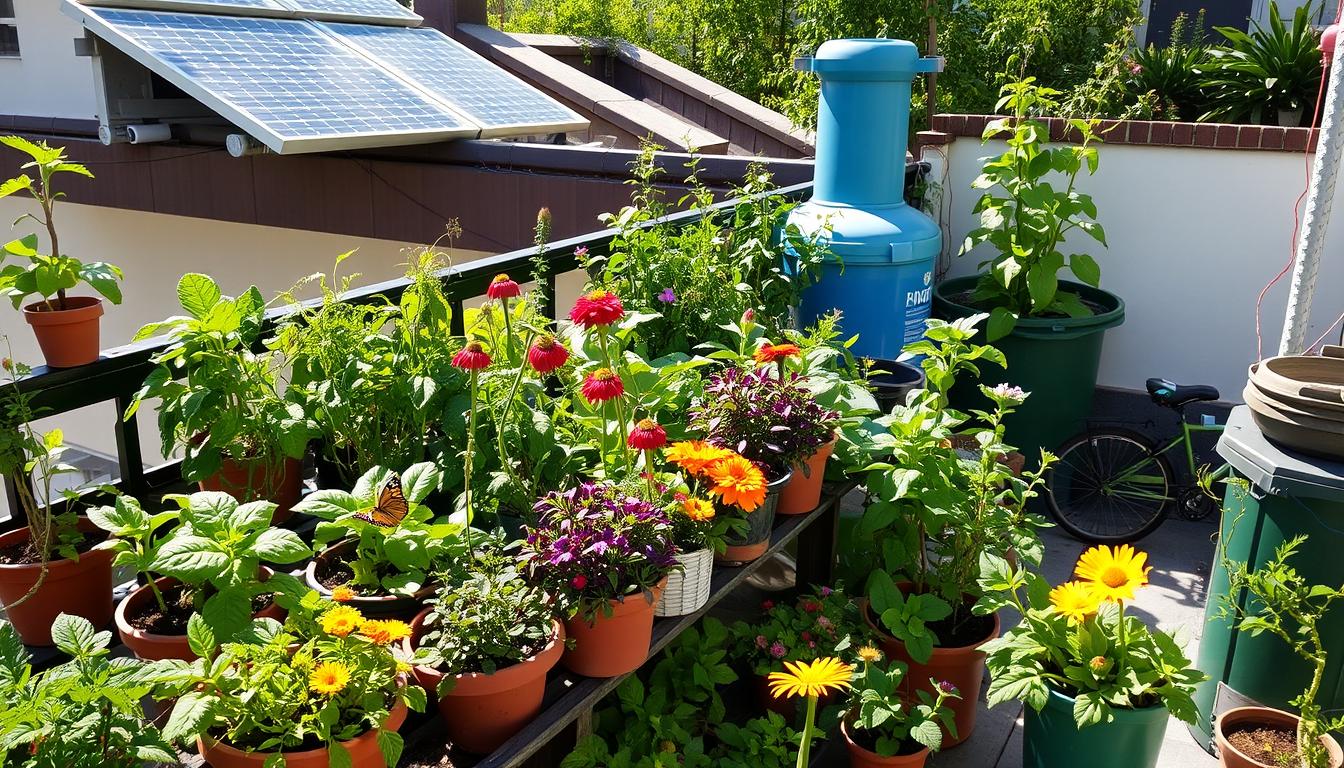
Living an eco-friendly lifestyle is key today. We can all make a big difference with our daily choices. This article offers simple tips to help you live greener and reduce your carbon footprint.
Choosing eco-friendly living is good for the planet and for you. It saves money, improves health, and connects you with nature. Every small change towards a greener lifestyle helps create a better future.
We’ll look at many green habits and strategies for a sustainable life. From using less energy to making smart buys, every change helps the environment and you.
Understanding Eco-Friendly Living
Living sustainably is key in today’s world. Our actions greatly affect the environment. At the core of eco-friendly living is sustainability. It means we can meet our needs without harming future generations.
Knowing how our daily choices affect the environment helps us make better decisions. We can reduce carbon emissions and waste. We can also use energy more efficiently. Small actions like recycling and using public transport help fight climate change.
“The greatest threat to our planet is the belief that someone else will save it.” – Robert Swan
Choosing a green lifestyle is a journey, not a goal. It’s about making choices that help the planet. Our actions, together with others, can make a big difference for a sustainable future.
Everyday Eco-Friendly Habits
Living an eco-friendly life is a great way to reduce, reuse, and recycle. Simple actions like recycling right and cutting down on single-use plastics help a lot. They save energy and cut down on waste.
Begin by making recycling a habit. Make sure you’re sorting recyclables correctly and putting them in the right bins. This boosts recycling efficiency and cuts down on landfill waste. Also, try to reuse things like using reusable bags and water bottles.
“Small actions, when multiplied by millions of people, can transform the world.” – Unknown
Be careful with your energy use too. Turn off lights and gadgets when you’re not using them. Also, think about getting energy-saving appliances. These actions can greatly reduce your carbon footprint and save you money on bills.

By adding these green habits to your daily life, you help the environment a lot. Every little bit counts towards a greener world. Let’s all do our part for a better future.
Sustainable Transportation Options
Reducing our carbon footprint is important, and our transportation choices are key. Luckily, there are many eco-friendly options instead of gas cars. These alternatives help us lessen our environmental impact.
Public transit is a top choice for being green. Using buses, trains, and subways cuts down on emissions and eases traffic. Carpooling with friends or neighbors also reduces fuel use and emissions, and it builds community.
Biking to work is another great choice. Biking is good for the planet and keeps you fit. Electric vehicles (EVs) are also becoming popular. They don’t produce emissions, making them a big help in fighting climate change.
“Sustainable transportation is not just about reducing carbon emissions, but also about building healthier, more livable communities.”
Choosing public transit, carpooling, biking, or EVs can greatly reduce our carbon footprint. Every eco-friendly choice we make helps our planet. Let’s take small steps towards a greener future.
Energy Efficiency at Home
Living sustainably starts at home. Simple changes can cut down your energy use and lower bills. Switching to LED bulbs is a smart move. They use 80% less energy than old bulbs and last much longer.
Smart thermostats are another great choice. They learn your schedule and adjust the temperature to save energy. This can cut your heating and cooling costs by up to 30%.
Choosing energy-saving appliances is also key. Look for ones with the Energy Star label. They use less power and save you money. Don’t forget about insulation. A home energy audit can show you where to improve, saving even more energy.
“Making your home more energy-efficient is one of the most impactful ways to reduce your carbon footprint and save money in the long run.”
By making these changes, you’ll make your home more sustainable and save money. Remember, every small step can make a big difference in saving energy and the planet.
Water Conservation Tips
Water conservation is key in today’s world. We’ll share tips to use less water and manage it better at home.
Installing low-flow fixtures is a simple way to save water. These devices, like showerheads and faucets, use less water but still work great. Swapping them out can cut your water use a lot.
Rainwater harvesting is another smart move. It lets you collect and use rainwater for things like gardening. This saves water and helps local supplies.
Xeriscaping is great for landscaping. It uses plants that need little water and cuts down on irrigation. You can have a beautiful yard that uses much less water.
Lastly, think about greywater systems. Greywater is clean water from activities like showering and laundry. Using it for irrigation or flushing toilets saves fresh water and helps the environment.
“Water is the driving force of all nature.” – Leonardo da Vinci
Using these tips can really help your home use less water. It’s a big step towards saving this vital resource.
Sustainable Food Choices
Our food choices are key to a greener lifestyle. By choosing sustainable foods, we help the environment and support local communities. Eating more plant-based foods is a good start. These foods need less resources and produce fewer greenhouse gases.
Choosing local produce is also important. Buying from nearby organic farms cuts down on transportation emissions. It also boosts local economies. Local farmers focus on soil health and biodiversity, making our food system greener.

It’s also vital to reduce food waste. Being mindful of what we eat helps avoid waste. Composting food scraps turns them into soil, supporting sustainable farming.
“By making conscious decisions about what we eat, we can have a profound impact on the planet and our communities.”
Choosing sustainable foods is a big step towards a greener future. From eating plant-based to supporting local farmers and cutting down on waste, we all can help. Together, we can build a more sustainable food system.
Eco-Friendly Gardening Practices
The garden is key to living green. By using native plants, we help local wildlife and save on upkeep. Composting kitchen and yard waste feeds the soil and keeps landfills clean.
Collecting rainwater is a smart way to water our gardens. It saves treated water and helps during dry spells. Plus, pesticide-free gardening keeps our ecosystems healthy, supporting pollinators and beneficial insects.
“The greatest gift of the garden is the restoration of the five senses.” – Hanna Rion
Using eco-friendly gardening makes our gardens lush and vibrant. They delight us and help our environment. From the smell of compost to the sound of rainwater, our gardens are sanctuaries for us and the planet.
Mindful Shopping Habits
Our shopping habits are key to a greener lifestyle. Sustainable fashion, minimalism, and eco-friendly products help reduce our environmental impact. These practices can make a big difference in our daily lives.
Supporting sustainable fashion brands is a mindful shopping approach. These brands focus on ethical production and organic materials. Buying high-quality, long-lasting clothes helps reduce waste and supports a circular economy.
Minimalism is also important. It means valuing quality over quantity and being careful about what we buy. This approach declutters our spaces and lessens our environmental impact.
Choosing second-hand shopping is another eco-friendly option. There are many places to find pre-loved items. This saves resources and supports the circular economy.
When looking for eco-friendly products, think about their whole life cycle. Look for items with little packaging, made from biodegradable materials, and committed to sustainability. This ensures a sustainable supply chain.
By adopting these mindful shopping habits, we can help create a more sustainable future. Every purchase we make counts.

Eco-Conscious Travel Tips
Traveling has a big impact on our planet. Now, more people want to travel in a way that’s good for the environment. By using eco-friendly practices, you can reduce your carbon footprint and help local communities.
Choosing eco-lodges and resorts is a big step. These places use clean energy, save water, and support local businesses. By staying in these places, you help make the world a greener place.
You can also offset your carbon emissions. Many groups help you do this by funding projects that cut down on pollution. This could be planting trees or supporting clean energy.
While traveling, look for responsible travel activities. These let you experience local culture without harming the environment. You might go on eco-tours or help with community projects.
By following these eco-conscious travel tips, you can travel with a clear conscience. We can all help make the places we love more sustainable.
Building Community Awareness
Embracing an eco-friendly lifestyle is key. We must engage our local communities and work together for the environment. By hosting community initiatives and green events, we can motivate others to live sustainably and become local activists.
Teaching through environmental education is a great way to start. Workshops, seminars, and hands-on activities can teach about renewable energy and more. This knowledge empowers people to make eco-friendly choices.
“Alone we can do so little; together we can do so much.” – Helen Keller
Working with local groups, schools, and centers spreads the eco-friendly message. Together, we can host green events that highlight sustainable living. These efforts raise awareness and build a sense of responsibility for our planet.

Empowering individuals to make a difference is our goal. By sharing our eco-friendly journeys, we inspire others to act. This creates a wave of change, turning our neighborhoods into green hubs. Together, we can build a sustainable future.
The Road Ahead: Making Long-Term Changes
Starting a sustainable lifestyle is a journey, not just a goal. You’ve learned that small eco-friendly habits can make a big difference. Now, let’s talk about how to make these changes last and help create a greener future.
Setting achievable goals is key to lasting change. Look at your current habits and find ways to cut down your carbon footprint. This could mean using renewable energy, reducing food waste, or finding sustainable transportation options. Choose changes that fit your values and lifestyle. Celebrate your wins, but don’t get down on yourself when you hit a bump. Keep going, and you’ll get there.
Your actions can make a big difference. By supporting environmental causes in your community, you can encourage others to do the same. Get involved in local projects, shop at eco-friendly stores, and talk to your leaders. Together, we can make the world a cleaner, healthier place for all.