
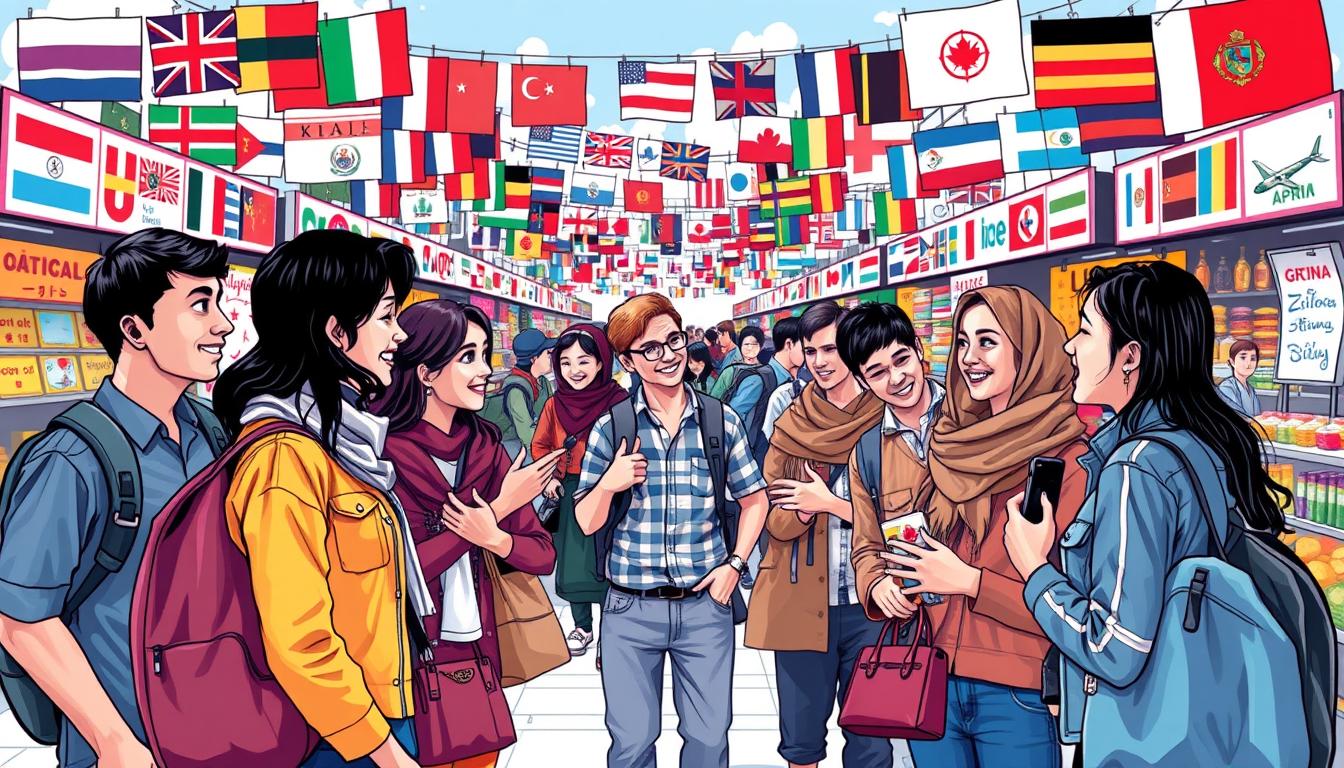
Traveling the world is thrilling, but it comes with its own set of challenges. Language barriers can be a big hurdle, especially when you’re in a new place. Whether you’re off on a vacation or a business trip, being able to communicate well is key.
It helps you connect with locals, find your way around, and truly experience the culture. In this guide, we’ll share useful tips to help you tackle language barriers. This way, you can enjoy your travels to the fullest.
Understanding Language Barriers
Traveling can be tough when you face language differences. These barriers lead to misunderstandings and frustration. Knowing about language barriers helps you enjoy your trip more.
Language barriers aren’t just about not knowing words. They also involve differences in grammar and idioms. What’s simple in one language can be confusing in another. This can make simple tasks, like ordering food or asking for directions, hard.
“The greatest barrier to communication is the illusion that it has been achieved.” – George Bernard Shaw
Cultural differences add to the challenge. What’s normal in one culture might be strange in another. This can make it hard to connect and understand local ways.
To get past these barriers, you need to be open and humble. Showing interest in other cultures can deepen your appreciation for the world. It also helps you make lasting connections with people from different backgrounds.
Importance of Addressing Language Barriers
Breaking down language barriers is key to boosting your travel confidence and understanding of cultures. Good communication is essential for safely exploring new places and connecting with locals. It helps you feel at home in unfamiliar settings.
Trying to speak the local language opens up a world of authentic experiences. You learn about the culture, traditions, and views of the people. This deepens your global understanding and lets you see the world’s diversity.
“Traveling is not just about seeing the sights, it’s about understanding the people and their way of life. Language barriers can be a gateway to that understanding.”
Also, tackling language issues can make you feel more confident while traveling. Being able to communicate your needs and ask questions makes you feel more in control. This confidence lets you explore with ease, making your trips more memorable.

In summary, overcoming language barriers is a game-changer for travelers. It improves your cultural grasp, builds stronger connections with locals, and enriches your travel experiences.
Tips for Learning Basic Phrases
Getting ready for your travels doesn’t have to be hard. Learning key phrases before you go can help a lot. It makes talking and getting to know the culture easier.
Begin with language learning tools that teach you important phrases. Look for greetings, polite words, numbers, and basic questions. Duolingo, Babbel, or Memrise are great for fun, short lessons.
“The greatest gift you can give someone is your time. When you make time for another person, you are giving them a part of your life that you’ll never get back.”
Also, listen to language podcasts or audio lessons when you’re on the go. This way, you learn more without trying too hard.
Just a few words in the local language can make a big difference. It shows respect and helps you connect with people. So, make learning a part of your travel prep for a better experience.
Leveraging Translation Technology
In today’s world, language barriers can be a big challenge for travelers. Luckily, technology offers many tools to help us overcome these obstacles. Translation apps, language tech tools, and digital communication aids are now essential for exploring new cultures and talking across language divides.
Google Translate is a top choice, offering real-time translation in over 100 languages. Just speak into your phone or type text to get quick translations for everyday talks. Other favorites include Microsoft Translator, iTranslate, and Papago, each with special features.
“These translation apps have been a game-changer for me when traveling. They’ve allowed me to engage with locals, read menus, and navigate unfamiliar environments with ease.”
There are also handheld translation devices, like the Muama Enence Instant Translator, for quick translations on the go. These small gadgets translate speech and text in many languages, making them great for travelers.
For digital communication, services like SignAll and Uni help users talk to deaf or hard-of-hearing people through sign language. These tools are great for inclusive interactions while traveling.
Translation technology lets travelers explore new languages with confidence. Whether it’s apps, tools, or digital aids, these advancements change how we connect with people worldwide.

Effective Communication Strategies
Effective communication is more than just talking. When you face language barriers, learning non-verbal communication can be key. Body language, gestures, and visual aids help make your message clear, even if you don’t speak the same language.
Learn about common cross-cultural gestures and what they mean. A nod, a wave, or a thumbs-up can show you understand or agree, no matter the language. Watch how people around you communicate without words. Then, use their body language to connect and show you care about their culture.
“The most important thing in communication is to hear what isn’t being said.” – Peter Drucker
Visual aids like maps, diagrams, or drawings are also very helpful. They can help explain important points, show directions, or share information that’s hard to say in words. By mixing verbal and non-verbal ways to communicate, you can make your talks more interesting and clear, even with language differences.
Communication works both ways. Watch the other person’s body language and facial expressions to see if they get what you’re saying. Being open and flexible in how you communicate helps you overcome language barriers. This way, you can make real connections, no matter the language.
Engaging with Locals
Language barriers shouldn’t stop you from connecting with locals. Embracing cultural exchange, local interactions, and community immersion can be incredibly rewarding. It’s all about being open-minded, patient, and eager to learn.
Begin by saying “hello” and “thank you” in the local language. These simple actions can help you connect and show you care. You can also use gestures or a translation app to talk about common interests or ask for local tips.
“The best way to have a good time in a new place is to get to know the people who live there. Even a simple exchange can lead to an unforgettable experience.”
When talking to locals, remember to respect their culture and customs. Watch how they interact and follow their example. Stay away from sensitive topics and focus on learning about their culture and daily life. These conversations can offer deep insights and create lasting bonds.

By diving into cultural exchange, local interactions, and community immersion, you’ll not only break down language barriers. You’ll also gain a deeper appreciation for the places you visit. These meaningful experiences can change your travel journey, giving you memories and views that go beyond the usual tourist path.
Finding Local Tours and Guides
Exploring a new place can be tough, especially when you don’t speak the language. Luckily, local guided experiences and language-friendly tours can help. They offer local expertise and let you dive into the culture and customs of your destination.
When planning your trip, look for guided experiences that meet your language needs. Many tour companies have language-friendly tours with guides who speak multiple languages. These tours are great for exploring the city, learning its history, and talking to locals.
“The best way to truly immerse yourself in a new culture is to experience it through the eyes of a local guide. They can provide insights and perspectives that you simply can’t get from a guidebook or map.”
Also, think about connecting with independent local experts for unique experiences. They might lead walking tours, cooking classes, or other activities. This way, you can learn more about the local life and make real connections with the community.
Choosing a guided tour or a personalized experience can make your trip better. It helps you deal with language barriers. By using these language-friendly resources, you can have a more authentic and deep experience of your destination.
Utilizing Language Services
Traveling can sometimes lead to language barriers. But, there are professional services to help you communicate better. These services can make your trip more enjoyable.
Interpreters can be a big help. They can translate for you, helping you talk to locals and understand important stuff. This is especially useful when you’re in a country where you don’t speak the language well.
Translation services can also be a big plus. They can translate documents, menus, and signs for you. This way, you can make sure you understand everything and avoid any confusion.
“Language services have been a lifesaver for me when traveling to non-English-speaking countries. I highly recommend exploring these options to make the most of your journey.”
Language exchange programs and meetups are great too. They let you practice your language skills and meet locals. These experiences can improve your language skills and give you a deeper cultural understanding.

Using these language services can help you travel with confidence. You’ll be able to connect with locals and make unforgettable memories. It’s a great way to enhance your travel experience.
Cultural Sensitivity and Awareness
When you travel, it’s key to understand cultural etiquette and respect for traditions. A global mindset helps you avoid mistakes and connect with locals. This makes your trip more meaningful.
Before you go, learn about the local culture. Knowing basic phrases and the right clothes to wear shows you care. It’s a small act that makes a big difference.
“The first step toward understanding another culture is to suspend judgment and approach it with an open mind and a willingness to learn.”
Being culturally sensitive makes your trip better and helps build bridges between cultures. It’s not just about where you go but also who you meet.
Dealing with language barriers needs both language skills and cultural knowledge. Be curious, empathetic, and eager to learn. This approach helps you communicate better and appreciate the cultures you meet.
Successfully Navigating Language Barriers
Traveling to new places can be exciting, but it also comes with language challenges. By building travel confidence, learning to communicate globally, and understanding different cultures, you can overcome these barriers. This way, you can fully enjoy the rich cultural experiences each place offers.
Start by being positive and eager to learn a few basic phrases in the local language. This small step can help you connect with the community and build real friendships. Use translation apps and language services to help you communicate better.
Talking to locals and asking for their advice is also very helpful. They can show you hidden spots and help you understand their culture better. Being respectful of their customs and traditions will make your trip even more rewarding and help you make lasting connections.