Starting a healthy eating plan can change your life for the better. It helps with weight management, boosts energy, and makes your diet more balanced and nutritious. This guide will give you the tools to make a diet plan that fits your life.
A healthy eating plan is all about balance. It’s about knowing what your body needs and planning your meals well. This article will help you set goals, check your current eating habits, and add more nutrient-rich foods to your diet.
This guide will show you how to plan meals ahead and eat mindfully. It will help you take charge of your food choices and see the benefits of a healthy eating plan. Let’s start this journey together, learning how to make a diet that’s good for you and your body.
Understanding the Importance of a Balanced Diet
A balanced diet is key to good health and wellness. Knowing what your body needs helps you eat right. This supports your health, whether you want to stay healthy or improve.
Recognizing the Nutritional Needs of Your Body
Our nutritional needs change based on age, how active we are, and any health issues. Understanding these needs helps you pick the right foods. This balance supports your energy, brain work, and physical health.
The Benefits of a Well-Planned Eating Routine
Having a good eating plan changes your health and life quality. It helps with digestion, nutrient use, and lowers disease risk. Eating nutritious foods boosts your energy, immune system, and overall wellness.
Setting Realistic and Achievable Goals
Starting a healthy eating plan means setting goals that are easy to reach. Goals push us to change our habits and stick to new ways of living. It’s key to have goals that are clear, measurable, and have a deadline. These goals should match your health needs and what you like to eat.
First, look at how you eat now and see what you can do better. Do you want to eat more veggies? Cut down on sugar? Get better at planning meals? Decide on the changes you want and set goals to help you move forward. Small, steady changes are usually better than big, hard ones.
When making healthy eating goals, think about using the SMART method: Specific, Measurable, Achievable, Relevant, and Time-bound. This way, your goals will be clear and reachable, making you feel good as you meet them. Don’t forget to celebrate your wins, no matter how small. Be kind to yourself as you work on changing your habits and your life.
Evaluating Your Current Eating Habits
Before starting on a path to a healthier life, take a close look at how you eat now. This helps you see what needs to change, like eating too many snacks or not eating at regular times. Knowing what you eat can guide you in making better choices.
Identifying Areas for Improvement
Look at what you eat every day. Are you eating too much junk food or skipping meals often? Finding these issues can show you what changes you should make.
Keeping a Food Journal for Self-Awareness
Keeping a food journal is a great way to understand your eating habits better. It lets you see patterns, track what you eat, and make better choices. This simple habit can really help you change your eating habits.

Incorporating a Variety of Nutrient-Rich Foods
To get a balanced diet, you need to eat a mix of nutrient-dense foods. This includes whole grains, fruits, vegetables, and lean proteins. These foods are key to making meals that are good for your body and overall health.
Exploring Whole Grains, Fruits, and Vegetables
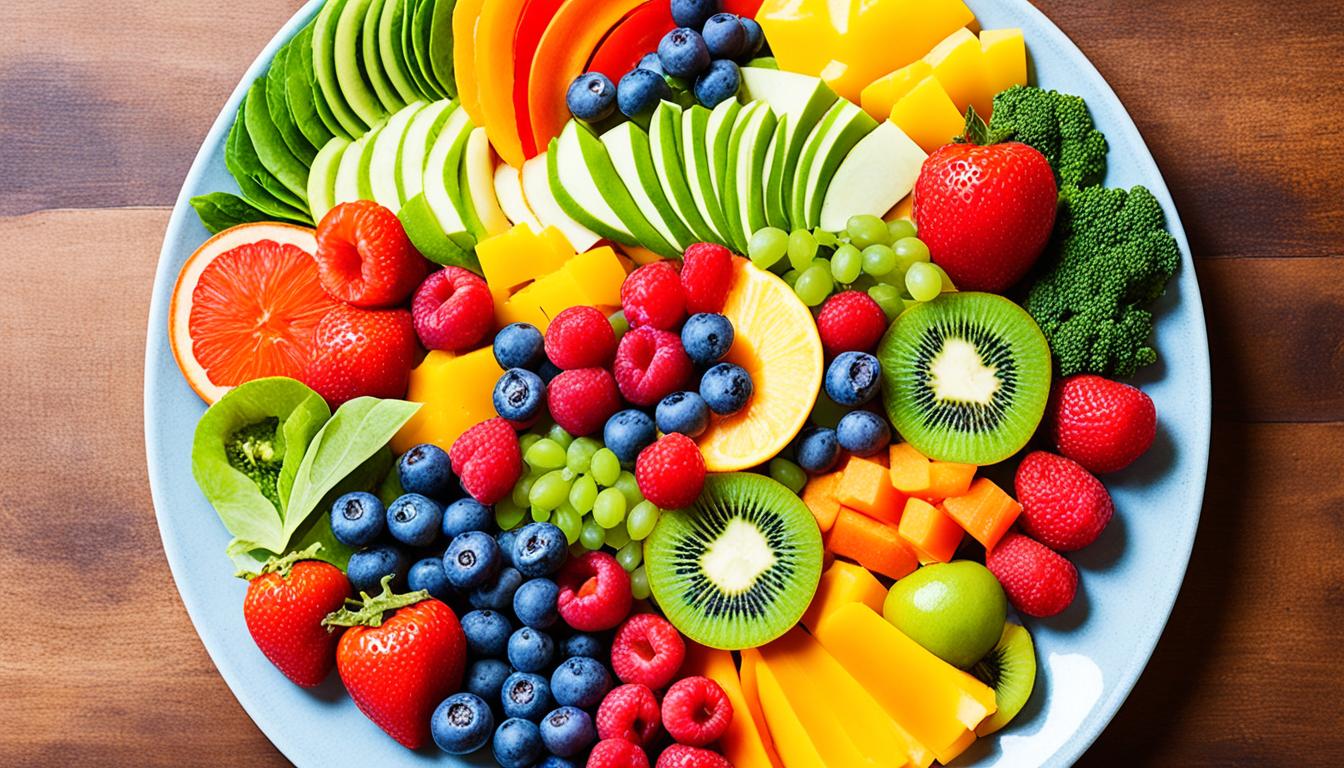
Whole grains like brown rice, quinoa, and whole wheat are full of fiber and vitamins. They help you feel full and support your digestion. Adding different fruits and vegetables to your meals gives you antioxidants and vitamins important for health.
Choosing Lean Protein Sources
Lean proteins, such as grilled chicken, fish, and beans, are vital for muscle health and a strong immune system. Choosing these options ensures your body gets the right building blocks to stay healthy. Adding lean protein to your meals and snacks keeps you satisfied and energized.
By eating a mix of whole grains, fruits, vegetables, and lean proteins, you feed your body well. Try different tasty and healthy foods every day. This will help you become healthier and more vibrant.
Planning Ahead for Healthy Meal Prep
Planning for healthy eating takes a bit of effort. A key step is making a detailed grocery shopping list. By planning your meals and snacks for the week, you’ll have all the ingredients you need. This saves time and cuts down on food waste and store trips.
Creating a Grocery Shopping List
Start by looking at your weekly meal plan. Write down the fruits, veggies, whole grains, lean proteins, and healthy fats you’ll need. This keeps you focused and avoids impulse buys that could mess up your healthy eating plans.
Batch Cooking and Meal Prepping
Batch cooking and meal prepping are great for saving time. Spend a few hours on the weekend or at the start of the week to cook healthy meals. These can be reheated later, making your life easier and keeping you on track with healthy eating.
Using these strategies can really help you stick to a healthy lifestyle. Planning ahead and putting in some effort upfront saves you from making last-minute meal choices. It also keeps nutritious options ready for you when you’re busy.
Striking a Balance Between Portion Control and Satisfaction
Keeping a healthy diet isn’t just about cutting down on food. It’s about finding the right balance between eating less and feeling full. By understanding your body’s hunger and fullness signals, you can enjoy your favorite foods. This way, you won’t harm your nutrition or weight goals.
Practicing portion control is a big part of this balance. It doesn’t mean you have to give up your favorite foods. Instead, be aware of how much you eat. Use smaller plates, eat slowly, and pay attention to when you’re full. This helps you avoid eating too much and keeps your diet sustainable.
But, it’s also key to let yourself enjoy treats sometimes. Cutting out certain foods can make you feel deprived. This can hurt your diet’s long-term success. By having small portions of your favorite treats, you can feel balanced and happy.
Finding a balance between eating less and enjoying your food is key. With practice, you can enjoy every bite while sticking to your nutrition goals. This approach leads to a healthy, lasting diet that feeds both your body and your soul.

Developing Mindful Eating Habits
Making mindful eating a part of your life can change how you see food. It makes eating a healthier and more enjoyable experience. By paying attention to each bite, you can enjoy the real joy and benefits of eating.
Mindful eating means being fully present and aware of your food. It’s about noticing the tastes, smells, and looks of your meals. This way, you can truly connect with your food.
Savoring Each Bite and Listening to Your Body
One key idea of mindful eating is to eat slowly and enjoy each bite. Take time to notice the textures and colors of your food. Let your senses lead you through the meal.
As you chew, stop and listen to your body. Check if you’re hungry or full. This helps you eat when you’re truly satisfied, not just because you’re still eating. It’s a way to eat more naturally and healthily.
By eating mindfully, you can change how you see food and improve your health. Enjoy every moment, listen to your body, and let eating bring you joy.
Staying Hydrated for Optimal Health
Keeping up with hydration is key to a healthy diet. Water is essential for many body functions, like digestion, brain work, and keeping skin healthy. Drinking enough hydration brings big health benefits.
Drinking enough water helps your digestion a lot. It breaks down food for better nutrient use and stops constipation. It also helps clean out toxins and keeps kidneys working right, boosting your health and nutrition.
Being hydrated is good for your brain too. Not drinking enough water can make you tired, give you headaches, and make it hard to focus. Drinking enough water makes your mind clearer, lifts your mood, and keeps your brain healthy.
Try drinking different hydrating drinks like water, herbal teas, and flavored waters to hit your daily water intake goals. Go for at least eight 8-ounce glasses of water a day. Change how much you drink based on your activity level, how hot it is, and your own body’s needs.
Incorporating Physical Activity into Your Routine
Keeping fit is more than just eating right. Being active is key to your overall health. Adding exercise to your daily life brings many benefits. These include better heart health, more strength and flexibility, and a happier mind.
Finding Exercise Routines You Enjoy
Finding fun exercise routines is key to staying active. You might like walking, swimming, dancing, or lifting weights. Try different activities to see what you like best.
Think about what you enjoy, your fitness level, and your schedule when trying new exercises. Mixing up your activities keeps your fitness plan interesting. This way, you’ll stick with it and fit it into your daily life easily.
The best exercise plan is one you can keep up with. Choose activities that fit your life and likes. This way, you’ll keep a healthy, active lifestyle that matches your healthy eating habits.
Overcoming Obstacles and Staying Motivated
Starting a healthy eating journey can be both rewarding and tough. You’ll face challenges as you try to build new habits and change your lifestyle. Expect to deal with cravings, social pressures, busy schedules, and lack of motivation. These obstacles can make it hard to stick with your goals, but you can beat them with the right strategies.
First, figure out what obstacles you’re up against. Are you finding it hard to say no to tempting foods when eating out with friends? Or do you struggle to plan meals with a busy schedule? Knowing what challenges you face helps you find ways to overcome them.
Staying motivated can be tough, but there are ways to keep you going. Set goals you can reach, celebrate your small victories, and have a supportive network around you. Enjoying the process, like trying new recipes or finding fun physical activities, makes healthy eating a choice you look forward to.
To beat obstacles and stay motivated, you need a plan. Tackle the challenges you’re facing, use effective strategies, and keep a positive attitude. This way, you can handle the ups and downs of healthy eating and become a stronger, healthier person.
Adapting Your Plan for Long-Term Sustainability
Keeping a healthy eating plan is not just for short-term goals. It’s about building a lifestyle that boosts your health. As your needs and tastes change, it’s key to adjust your plan. This way, you can enjoy treats, adapt to new situations, and make healthy habits part of your life.
“Sustainable healthy eating” means your eating habits will change. By being flexible, you dodge the dangers of strict diets and build a good relationship with food. Try new recipes, explore different foods, and pay attention to what your body needs to find a balance that suits you.
For lasting health, focus on small, gradual changes in your life. This method builds a strong base for eating well that feels natural, not just a quick fix. Enjoy learning about yourself, celebrate your achievements, and be kind to yourself as you move towards a healthier lifestyle.